

In the realm of plastic processing, strand pelletizing machines play a pivotal role. As a dedicated supplier of strand pelletizing machines, I've witnessed firsthand the distinct characteristics and applications of both small - scale and large - scale models. Understanding these differences is crucial for businesses looking to invest in the right equipment for their specific needs.
1. Physical Dimensions and Space Requirements
One of the most obvious differences between small - scale and large - scale strand pelletizing machines lies in their physical size. Small - scale machines are typically more compact, designed to fit into limited spaces. They are an ideal choice for startups or small - to - medium - sized enterprises (SMEs) with restricted factory floor areas. These machines can be easily integrated into existing production lines without requiring significant modifications to the workspace.
On the other hand, large - scale strand pelletizing machines are much bulkier. They demand a substantial amount of floor space and often require dedicated areas within the factory. The large size is a result of their enhanced capacity and the need to accommodate more advanced components. For instance, the cutting units, cooling systems, and conveying mechanisms in large - scale machines are larger and more complex, contributing to their overall size.
2. Production Capacity
Production capacity is a defining factor that sets small - scale and large - scale strand pelletizing machines apart. Small - scale machines are designed for low - to - medium - volume production. They can produce anywhere from a few kilograms to a couple of hundred kilograms of pellets per hour. This makes them suitable for businesses that have a niche market or produce specialized plastic products in limited quantities. For example, a company that manufactures high - end, custom - made plastic parts may opt for a small - scale machine to meet its specific production requirements.

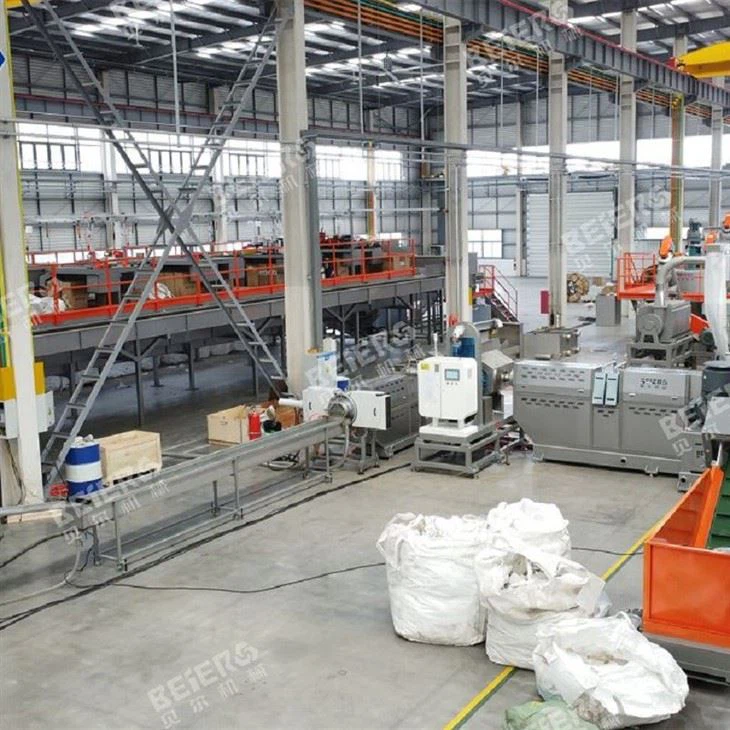
In contrast, large - scale strand pelletizing machines are built for high - volume production. They can churn out thousands of kilograms of pellets per hour, catering to large - scale manufacturing operations. These machines are commonly used in industries such as packaging, automotive, and construction, where there is a constant and high demand for plastic pellets. The high production capacity of large - scale machines allows companies to meet market demand efficiently and maintain a competitive edge.
3. Cost Considerations
Cost is a significant aspect when choosing between small - scale and large - scale strand pelletizing machines. Small - scale machines generally have a lower upfront cost. They require less investment in terms of equipment purchase, installation, and maintenance. This makes them an attractive option for businesses with limited capital or those looking to test the market before making a large - scale investment. Additionally, the operating costs of small - scale machines are relatively lower, as they consume less energy and require fewer raw materials for production.
Large - scale machines, however, come with a hefty price tag. The initial investment for purchasing a large - scale strand pelletizing machine can be substantial, and the installation process may also be more complex and costly. Moreover, the operating costs are higher due to increased energy consumption and the need for a larger workforce to manage the machine. However, despite the high costs, large - scale machines can offer a better return on investment in the long run for companies with high - volume production needs, as the cost per unit of production decreases with increased output.
4. Cutting and Pellet Quality
The cutting mechanism and the resulting pellet quality also vary between small - scale and large - scale strand pelletizing machines. Small - scale machines usually have simpler cutting units. While they can produce pellets of acceptable quality, the precision and consistency may not be as high as those of large - scale machines. The cutting speed and force are often limited, which can lead to variations in pellet size and shape. However, for applications where strict pellet quality standards are not required, small - scale machines can still deliver satisfactory results.
Large - scale machines are equipped with advanced cutting technologies. They can achieve a higher level of precision and consistency in pellet size and shape. The cutting units in large - scale machines are designed to handle high - speed production while maintaining the quality of the pellets. Additionally, these machines often have better control over the cutting process, allowing for adjustments to be made based on the specific requirements of the plastic material being processed. This results in pellets that meet the strict quality standards demanded by industries such as the medical and food packaging sectors.
5. Automation and Control Systems
Automation and control systems are another area where small - scale and large - scale strand pelletizing machines differ. Small - scale machines typically have basic control systems. They may offer manual or semi - automatic operation, with limited options for monitoring and adjusting the production process. This simplicity can be an advantage for businesses with a less - skilled workforce or those that require a more hands - on approach to production.
Large - scale machines, on the other hand, are highly automated. They are equipped with advanced control systems that allow for real - time monitoring and adjustment of various parameters such as cutting speed, temperature, and pellet size. These systems can be integrated with other production processes, enabling seamless operation and efficient management of the entire production line. The high level of automation in large - scale machines reduces the need for manual intervention, improves productivity, and minimizes the risk of human error.
6. Flexibility and Adaptability
Flexibility and adaptability are important factors to consider when choosing a strand pelletizing machine. Small - scale machines are generally more flexible. They can be easily adjusted to process different types of plastic materials and produce pellets of various sizes and shapes. This makes them suitable for businesses that need to produce a diverse range of products or those that frequently change their production requirements.
Large - scale machines, while designed for high - volume production, may have less flexibility. They are often optimized for specific types of plastic materials and production volumes. However, modern large - scale machines are becoming more adaptable, with the ability to handle a wider range of materials and adjust to different production requirements. Nevertheless, the process of reconfiguring a large - scale machine for a different production run may be more time - consuming and complex compared to a small - scale machine.
7. Maintenance and Service Requirements
Maintenance and service requirements also differ between small - scale and large - scale strand pelletizing machines. Small - scale machines are relatively easier to maintain. Their simpler design and fewer components mean that there are fewer parts that can malfunction. Routine maintenance tasks such as cleaning, lubrication, and blade replacement can be carried out by in - house staff with basic technical skills. Additionally, the cost of spare parts for small - scale machines is generally lower.
Large - scale machines, however, require more comprehensive maintenance. They have a complex system of components that need regular inspection and servicing to ensure optimal performance. The maintenance tasks may involve specialized knowledge and skills, and it may be necessary to hire professional technicians for certain maintenance procedures. The cost of spare parts for large - scale machines is also higher, as they are often custom - made and more complex.
In conclusion, the choice between small - scale and large - scale strand pelletizing machines depends on various factors such as production capacity, cost, quality requirements, and flexibility. As a supplier of strand pelletizing machines, we offer a wide range of options to meet the diverse needs of our customers. Whether you are a startup looking for a cost - effective solution or a large - scale manufacturer in need of high - volume production, we have the right machine for you.
If you are interested in our Plastic Film Pelletizer Machine, Agglomeration Pelletizing Machine, or Parallel Twin Srcew Extruder Granulator, or if you have any questions about our products, please feel free to contact us for a detailed discussion and procurement negotiation. We are committed to providing you with the best equipment and service to help your business thrive.
References
- Smith, J. (2020). Plastic Processing Machinery: A Comprehensive Guide. Publisher X.
- Johnson, A. (2019). Advances in Strand Pelletizing Technology. Journal of Plastic Manufacturing, 15(2), 45 - 56.
- Brown, C. (2018). Cost - Benefit Analysis of Small - and Large - Scale Plastic Processing Equipment. Industrial Economics Review, 22(3), 78 - 90.