

Hey there! As a supplier of Strand Pelletizing Machines, I know how important it is to keep these machines clean. A well - maintained machine not only runs more efficiently but also has a longer lifespan. In this blog, I'll walk you through the steps on how to clean a Strand Pelletizing Machine.
Why Cleaning is Crucial
Before we dive into the cleaning process, let's talk about why it's so important to clean your Strand Pelletizing Machine regularly. Over time, the machine accumulates residue from the plastic materials it processes. This residue can build up in the cutting blades, the conveyor belts, and other parts of the machine. If not removed, it can cause the machine to malfunction, reduce the quality of the pellets, and even lead to costly repairs.
Pre - cleaning Preparations
First things first, safety is key. Before you start cleaning, make sure the machine is turned off and unplugged. This will prevent any accidental start - ups and keep you safe. You'll also need to gather the necessary cleaning supplies. Some of the things you'll need include a soft brush, a clean cloth, a mild detergent, and a pair of gloves.
Cleaning the Cutting Blades
The cutting blades are one of the most important parts of the Strand Pelletizing Machine. They are responsible for cutting the plastic strands into pellets. Over time, these blades can become dull and clogged with plastic residue. To clean the cutting blades, start by removing them from the machine. You can usually do this by loosening a few screws.
Once the blades are removed, use a soft brush to gently scrub away any plastic residue. Be careful not to damage the blades. After brushing, soak the blades in a mild detergent solution for about 15 - 20 minutes. This will help to break down any stubborn residue. Then, rinse the blades thoroughly with clean water and dry them with a clean cloth.
Cleaning the Conveyor Belts
The conveyor belts are used to transport the plastic strands to the cutting blades. They can also accumulate a lot of plastic residue over time. To clean the conveyor belts, start by removing any large pieces of plastic that are stuck to the belts. You can use a soft brush or a putty knife to do this.
Next, mix a mild detergent with water in a bucket. Dip a clean cloth into the solution and wring it out so that it's damp but not dripping. Wipe down the conveyor belts with the damp cloth, making sure to cover all the surfaces. Pay special attention to the areas where the plastic strands come into contact with the belts.
After wiping down the belts, rinse them with clean water to remove any soap residue. Then, dry the belts with a clean cloth. It's important to make sure the belts are completely dry before you start the machine again.
Cleaning the Hopper
The hopper is where the plastic materials are loaded into the machine. It can also get dirty over time. To clean the hopper, start by removing any remaining plastic materials from it. You can use a scoop or a vacuum cleaner to do this.
Once the hopper is empty, use a soft brush to scrub the inside of the hopper. You can also use a mild detergent solution to help break down any residue. After scrubbing, rinse the hopper thoroughly with clean water and dry it with a clean cloth.
Cleaning the Extruder
The extruder is responsible for melting the plastic materials and pushing them through the die to form the plastic strands. It can be a bit more complicated to clean compared to other parts of the machine.
First, make sure the extruder is completely cooled down. Then, remove the die from the extruder. Use a soft brush to clean the die, removing any plastic residue. You can also soak the die in a mild detergent solution if needed.
Next, clean the inside of the extruder barrel. You can use a special extruder cleaning compound or a mild detergent solution. Use a long brush to reach all the areas inside the barrel. After cleaning, rinse the barrel thoroughly with clean water and dry it.
Post - cleaning Checks
Once you've finished cleaning all the parts of the Strand Pelletizing Machine, it's important to do a post - cleaning check. Reassemble all the parts that you removed during the cleaning process. Make sure everything is properly tightened and in place.
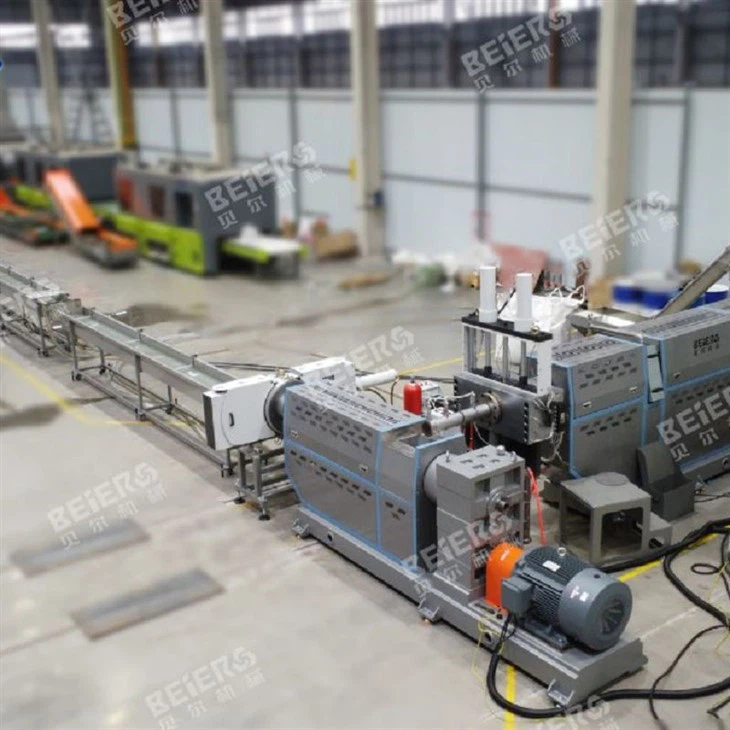

Before you start the machine again, visually inspect all the parts to make sure there are no signs of damage or wear. You can also do a test run of the machine to make sure it's working properly.
Related Machines
If you're interested in other types of pelletizing machines, we also offer Under - water Pelletizing Machine, Plastic Flake Pelletizing Machine, and Parallel Twin Srcew Extruder Granulator. These machines are also high - quality and can meet different production needs.
Conclusion
Cleaning a Strand Pelletizing Machine is an important part of its maintenance. By following the steps outlined in this blog, you can keep your machine in top condition and ensure that it produces high - quality pellets. If you have any questions about cleaning your machine or if you're interested in purchasing a new Strand Pelletizing Machine, feel free to reach out to us. We're here to help you with all your pelletizing needs.
References
- Manufacturer's manual of the Strand Pelletizing Machine
- Industry best practices for cleaning plastic processing equipment