

Hey there! As a supplier of Strand Pelletizing Machines, I often get asked about how to adjust the feed rate in these machines. It's a crucial aspect that can significantly impact the quality and efficiency of the pelletizing process. So, let's dive right in and explore this topic in detail.
Understanding the Importance of Feed Rate
First off, why is the feed rate so important? Well, the feed rate determines how much material is being fed into the Strand Pelletizing Machine at a given time. If the feed rate is too high, the machine might struggle to process the material properly. This can lead to unevenly sized pellets, poor pellet quality, and even damage to the machine. On the other hand, if the feed rate is too low, the machine won't be operating at its full capacity, which means lower productivity and potentially higher costs per pellet.

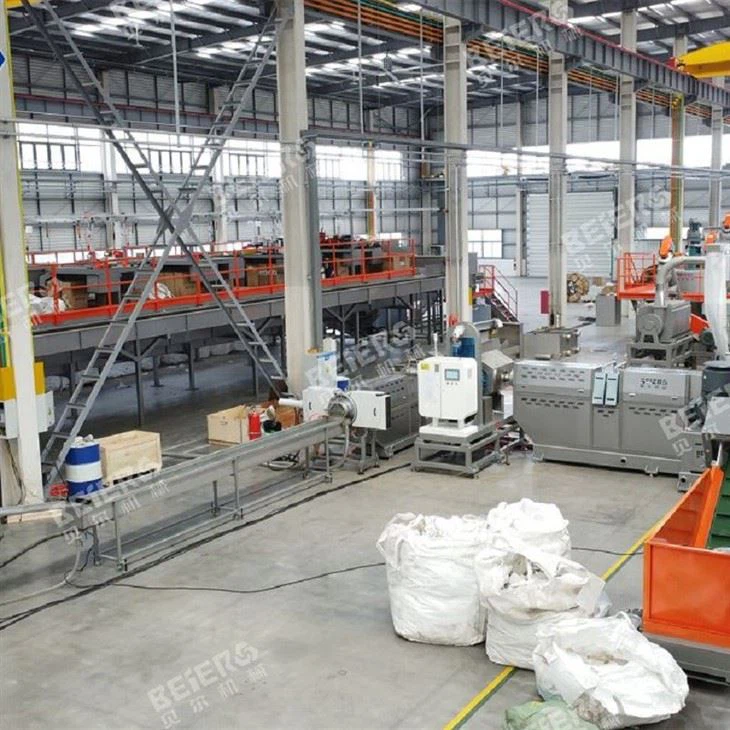
Factors Affecting Feed Rate
Before we start talking about how to adjust the feed rate, it's important to understand the factors that can affect it.
Material Properties
The type of material you're pelletizing plays a huge role. Different materials have different densities, viscosities, and flow characteristics. For example, a highly viscous material might require a slower feed rate to ensure proper processing. If you're working with a material that has a lot of moisture or is sticky, it can also affect the feed rate. You might need to adjust it to prevent clogging in the machine.
Machine Capacity
Every Strand Pelletizing Machine has a maximum capacity. You need to know this limit and make sure you don't exceed it. Overloading the machine can cause all sorts of problems, from mechanical failures to poor pellet quality. The capacity of the machine is usually specified by the manufacturer, and it's important to follow these guidelines.
Die Configuration
The die in the pelletizing machine is responsible for shaping the pellets. Different die configurations can affect the feed rate. For example, a die with smaller holes might require a slower feed rate to ensure that the material can pass through smoothly. If you change the die, you'll likely need to adjust the feed rate accordingly.
How to Adjust the Feed Rate
Manual Adjustment
Most Strand Pelletizing Machines come with a manual feed control. This is usually a simple dial or lever that allows you to increase or decrease the feed rate. To adjust the feed rate manually, start by observing the pellet quality. If the pellets are too large or uneven, it might mean that the feed rate is too high. Try reducing it a little at a time and see how the pellets change. On the other hand, if the machine seems to be running too slowly or the pellets are too small, you can increase the feed rate slightly.
Automated Adjustment
Some more advanced Strand Pelletizing Machines have automated feed control systems. These systems use sensors to monitor the process and adjust the feed rate automatically. For example, they can detect the pressure in the machine or the quality of the pellets and make adjustments accordingly. If you have an automated system, it's important to understand how it works and make sure it's calibrated correctly.
Step-by-Step Guide to Adjusting Feed Rate
Here's a step-by-step guide to help you adjust the feed rate in your Strand Pelletizing Machine:
- Start with the Manufacturer's Recommendations: Check the machine's manual for the recommended feed rate for the material you're using. This is a good starting point.
- Set the Initial Feed Rate: Use the manual or automated control to set the feed rate to the recommended value.
- Start the Machine: Turn on the machine and let it run for a few minutes to stabilize.
- Observe the Pellet Quality: Look at the size, shape, and consistency of the pellets. If they're not up to par, it's time to make an adjustment.
- Make Small Adjustments: If the pellets are too large or uneven, reduce the feed rate by a small amount. If they're too small or the machine is running too slowly, increase the feed rate slightly.
- Monitor the Process: Keep an eye on the machine and the pellet quality as you make adjustments. It might take a few tries to get the feed rate just right.
- Record the Settings: Once you've found the optimal feed rate, record the settings for future reference.
Other Tips for Optimal Feed Rate
- Keep the Material Consistent: Try to use the same type and quality of material every time. Any variations in the material can affect the feed rate.
- Regular Maintenance: Make sure your Strand Pelletizing Machine is well-maintained. A dirty or worn-out machine can affect the feed rate and the overall performance.
- Train Your Operators: If you have a team operating the machine, make sure they're trained on how to adjust the feed rate properly. This can help prevent mistakes and ensure consistent pellet quality.
Related Machines
If you're interested in other types of pelletizing machines, we also offer Plastic Film Pelletizer Machine, Agglomeration Pelletizing Machine, and Under-water Pelletizing Machine. Each of these machines has its own unique features and applications.
Contact for Purchase and Consultation
If you're looking to purchase a Strand Pelletizing Machine or need more information on adjusting the feed rate, feel free to reach out. We're here to help you make the most of your pelletizing process and ensure that you get the best results.
References
- Manufacturer's manuals for Strand Pelletizing Machines
- Industry research on plastic pelletizing processes